
Seasonal Ingredients Spotlight
Discover how to work with fresh, seasonal produce to create balanced, nourishing meals throughout the year. Learn which ingredients are at their peak and how to incorporate them into your daily cooking.
The information on this site is for educational purposes only and does not constitute medical advice. Always consult a qualified healthcare professional before making health decisions.
Master the Basics of Nutritious Cooking
Learn essential cooking fundamentals that transform simple ingredients into balanced, delicious meals. Our comprehensive guides teach you techniques, ingredient selection, and meal planning strategies that support your health and wellness journey.
- Step-by-step cooking techniques for all skill levels
- Ingredient selection and nutritional knowledge
- Meal planning strategies that support balanced living
Your Cooking Journey in 4 Steps
Transform your relationship with food through our proven learning framework
Learn Fundamentals
Understand basic cooking methods, knife skills, and how heat transforms ingredients. Build confidence with foundational techniques that work in any kitchen.
Explore Ingredients
Discover the nutritional value of different foods, seasonal availability, and how to select quality ingredients. Learn what makes meals balanced and nourishing.
Plan Your Meals
Create meal plans that work for your lifestyle, manage your kitchen time efficiently, and build sustainable eating patterns that feel enjoyable.
Build Your Style
Develop your personal cooking approach that reflects your tastes, values, and lifestyle. Master advanced techniques while maintaining simplicity and joy in the kitchen.
Why Choose Balance Nutrition Path
Comprehensive resources for home cooks seeking knowledge and practical skills
Complete Guides
In-depth articles covering cooking techniques, ingredient selection, meal planning, and nutritional principles for balanced eating.
Practical Recipes
Tested recipes designed to teach cooking principles while delivering delicious, nutritious meals for everyday cooking.
Expert Insights
Editorial content from experienced food professionals sharing techniques, tips, and evidence-based information about cooking and nutrition.
Kitchen Techniques Visual Guide
Learn through photos and detailed explanations of essential cooking methods
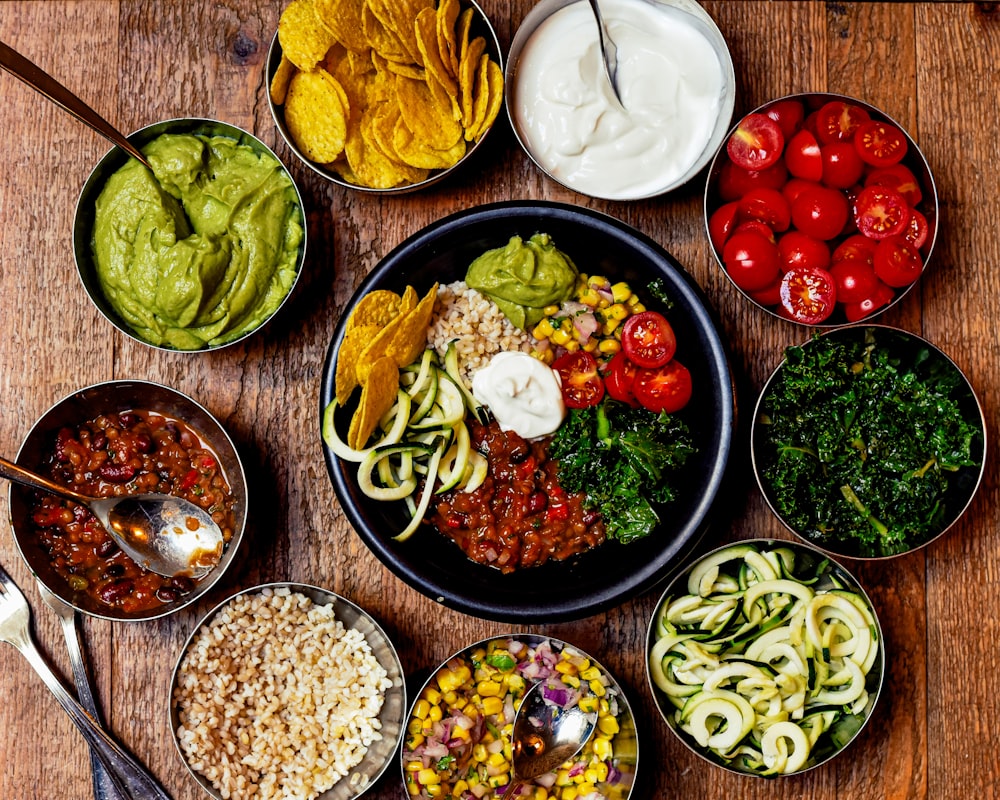
Master Essential Knife Skills
Proper cutting techniques are foundational to efficient cooking and ingredient preparation. Learn the different cuts used in various cuisines and how each technique affects cooking time and presentation.
- Julienne: Thin, matchstick-sized pieces ideal for stir-frying and salads
- Dice: Uniform cubes for even cooking and professional presentation
- Chiffonade: Thin ribbons perfect for delicate herbs and leafy vegetables
- Brunoise: Tiny, precise cubes for fine garnishes and culinary precision
Heat Control and Cooking Methods
Understanding how different heat levels and cooking methods transform ingredients is crucial for successful cooking. Each method brings out unique flavors and textures in food.
- Sautéing: Quick cooking over medium-high heat, ideal for vegetables and proteins
- Roasting: Dry heat method that caramelizes surfaces and concentrates flavors
- Steaming: Gentle method that preserves nutrients and natural flavors
- Poaching: Cooking in liquid, perfect for delicate foods and creating broths
What Home Cooks Are Saying
Real experiences from readers using our guides to improve their cooking skills
The knife skills guide was transformative for me. I finally understand how proper technique makes cooking faster and safer. The step-by-step photos are incredibly helpful, and I've already used these skills to completely change how I prepare vegetables at home.
Magdalena Kowalski
Warsaw
I've been cooking for years, but this content helped me understand the why behind techniques. The seasonal ingredients guide opened my eyes to ingredients I never considered before. My family has commented on how much better my meals taste now. A reader from Kraków my meals taste now.
Tomasz Lewandowski
Kraków
As a beginner cook, I felt overwhelmed in the kitchen. This resource made everything clear and manageable. The meal planning section helped me reduce food waste and save money, and I now feel confident trying new recipes and techniques.
Agnieszka Nowak
Gdańsk
Common Questions About Healthy Cooking
Find answers to questions about techniques, ingredients, and meal planning
Both methods use high heat and oil, but they differ in technique and timing. Sautéing involves cooking ingredients more slowly in a single layer, allowing them to caramelize and develop flavor. Stir-frying uses very high heat with constant movement, cooking ingredients quickly while maintaining crispness. The choice depends on your desired texture and the ingredients you're cooking.
The best test is the fork or knife method: a properly cooked vegetable should be tender enough to pierce easily with a fork, but still have slight resistance. Different vegetables cook at different rates—carrots and potatoes take longer than zucchini and leafy greens. Tasting is also important: properly cooked vegetables should taste vibrant and flavorful, not mushy. Visual cues vary by vegetable: asparagus tips should curl slightly, green beans should be bright and tender, and root vegetables should be easily pierced.
A balanced meal typically includes protein, whole grains or starchy vegetables, healthy fats, and plenty of vegetables or fruits. Protein supports muscle and tissue maintenance; whole grains provide fiber and sustained energy; healthy fats aid nutrient absorption and satiety; and vegetables provide vitamins, minerals, and fiber. The specific proportions can vary based on your preferences and lifestyle, but aiming for variety and whole foods is key. Including color in your plate—different colored vegetables provide different nutrients—is a simple way to ensure nutritional balance.
Storage depends on the type of produce. Some vegetables like tomatoes and peppers prefer room temperature, while others like leafy greens and berries need refrigeration. Root vegetables should be stored in a cool, dark place away from direct light. Keep ethylene-producing fruits like apples and bananas separate from sensitive produce like leafy greens, as ethylene accelerates ripening and spoilage. Use the crisper drawer in your refrigerator for vegetables and herbs, store fruits in a separate area, and keep cuts or peeled produce in airtight containers. Check your produce regularly and use items approaching ripeness first.
Meal preparation is practical and can help you eat more consistently. Most cooked foods keep well for 3-4 days when properly stored in airtight containers. Some nutrient loss occurs during cooking and storage, but it's typically minimal—the benefit of eating prepared, balanced meals usually outweighs this. Raw ingredients like cut vegetables keep for shorter periods; store them in sealed containers with minimal moisture. For best results, prepare components separately (cooked grains, cooked proteins, fresh vegetables) and assemble meals closer to eating time. This maintains texture and flavor while preserving nutritional value.
Start Learning Today
Explore our comprehensive collection of cooking guides, recipes, and nutritional information to improve your culinary skills and support healthier eating habits.
Discover Our ResourcesFeatured Topics
Explore our most popular articles and guides
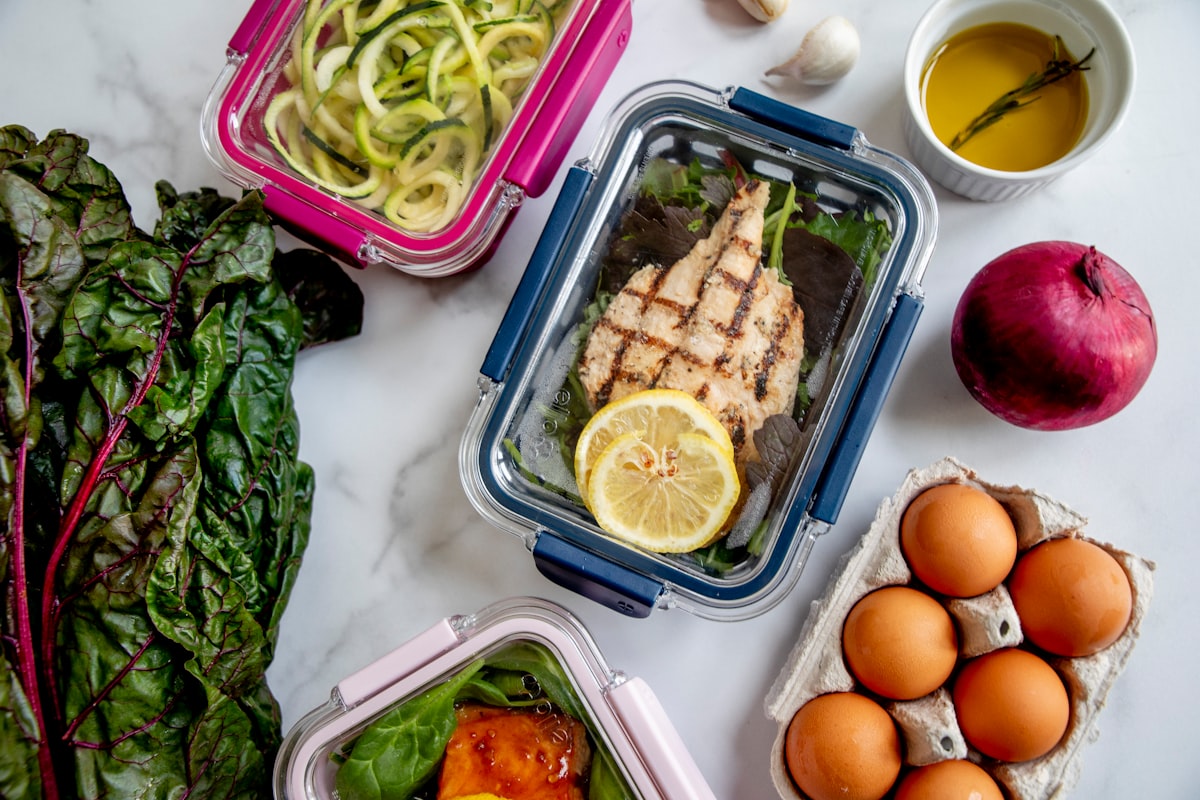
Selecting and Preparing Fresh Herbs
Learn how to choose quality herbs, preserve their freshness, and use them effectively in your cooking to enhance flavor and add nutritional value to meals.
Read More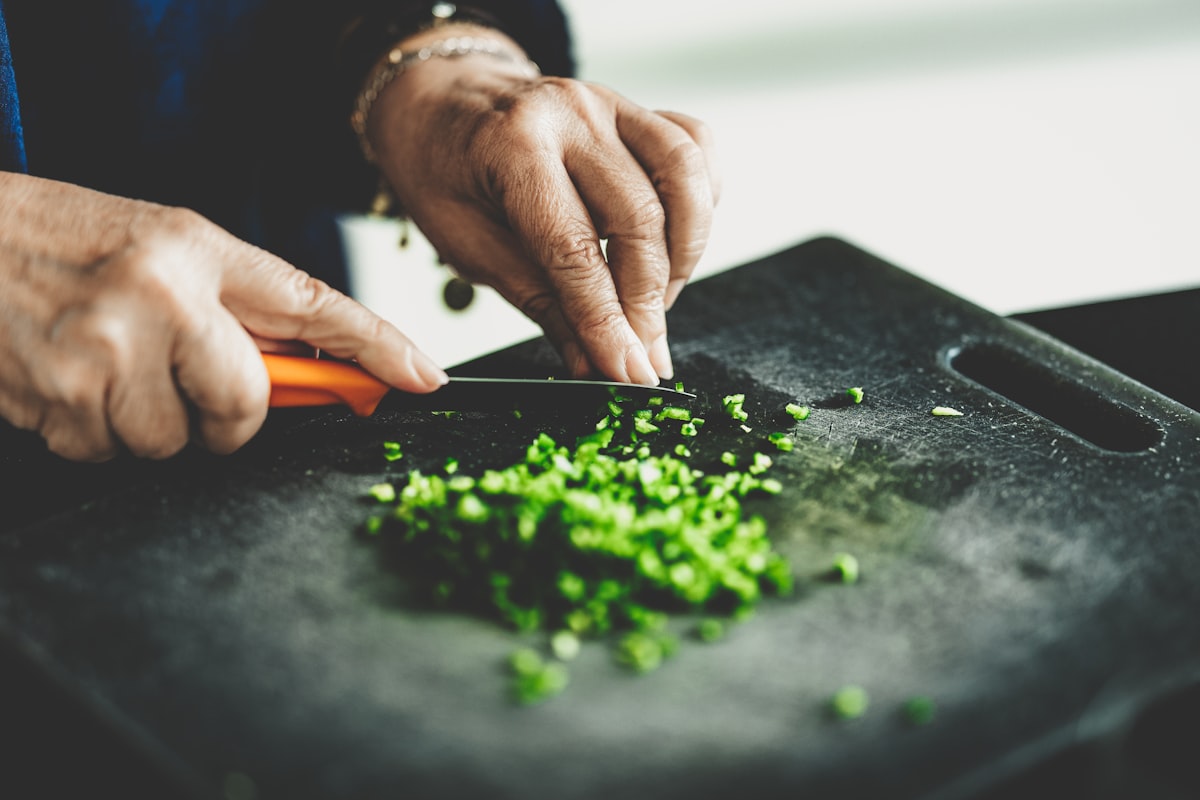
Understanding Whole Grains and Legumes
Discover the nutritional benefits of whole grains and legumes, learn proper cooking techniques, and find creative ways to incorporate them into your daily meals.
Read More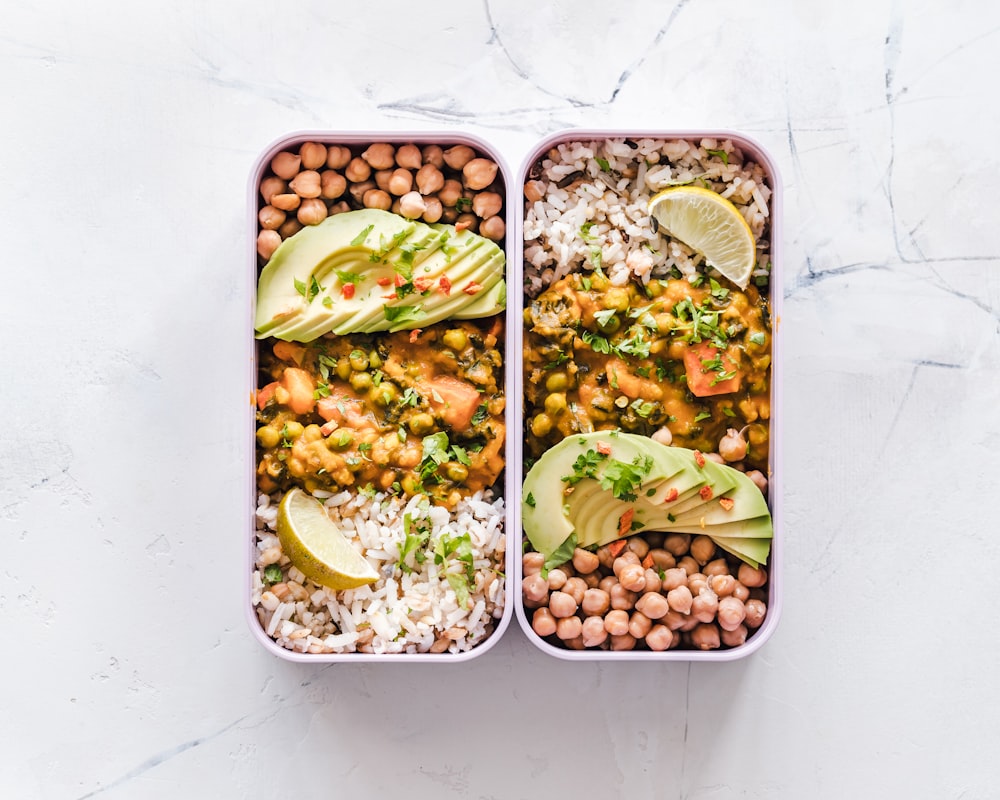
Building Balanced Weekly Meal Plans
Master the art of meal planning with strategies for balancing nutrients, minimizing food waste, and creating variety throughout your week with practical, tested approaches.
Read MoreGet Started With Your First Lesson
Our guides are organized to help you progress from basic techniques to advanced cooking methods. Whether you're a complete beginner or looking to refine your skills, you'll find relevant, practical information to improve your cooking and support balanced eating.
What Our Community Says
"Balance Nutrition Path transformed how I approach eating. The recipes are delicious and the nutrition guidance is science-backed!"
Sarah M.
Health Enthusiast
"Finally found a nutrition resource that doesn't feel restrictive. Love the holistic approach and supportive community!"
James T.
Wellness Coach
"The personalized nutrition plans have made such a difference in my energy levels and overall health. Highly recommend!"
Elena R.
Fitness Professional
Start Your Nutrition Journey Today
Join thousands of people achieving their health goals with Balance Nutrition Path
Balance Nutrition Path
Your trusted partner in achieving balanced, sustainable nutrition and wellness.
Resources
- Meal Plans
- Track Progress
- Community
- Support
© 2024 Balance Nutrition Path – NIP: 769-224-79-82. All rights reserved. | Privacy Policy | Terms of Service